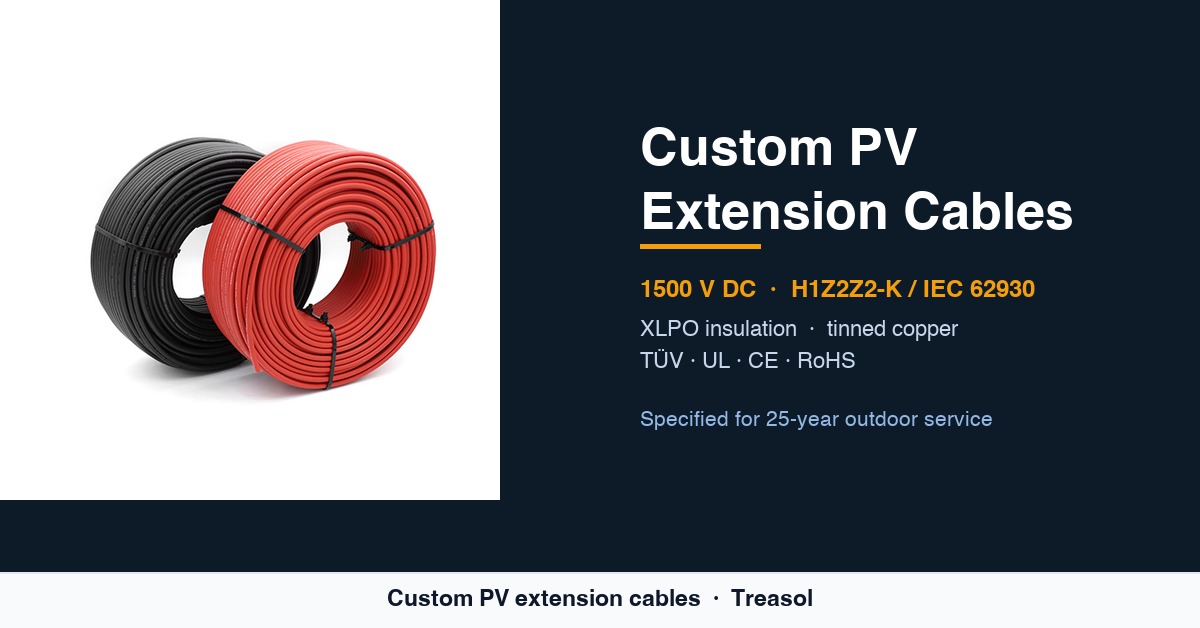
A custom PV extension cable closes the gap when the factory harness is too short — the run from a module to the combiner box, or from the combiner box to the inverter, outruns the stock length. That piece of cable sits outdoors for the project's whole 25-year life, so what gets written into the spec decides whether the system stays safe and loss-free, not what it cost to buy. Get the insulation or the voltage class wrong and the failure shows up years later, usually after handover.
The specification below is what an engineer or procurement manager actually has to pin down, with the standards behind each choice named rather than implied.
1. Voltage Class: 1000 V or 1500 V DC, Not 600 V
Residential and commercial arrays run at 1000 V DC; utility-scale plants run at 1500 V DC. The old 600 V figure belongs to early North American residential work and is no longer the design baseline. Match the cable rating to the system instead of defaulting to whatever is on the shelf:
- New systems: 1000 V DC minimum.
- Utility scale and long strings: 1500 V DC.
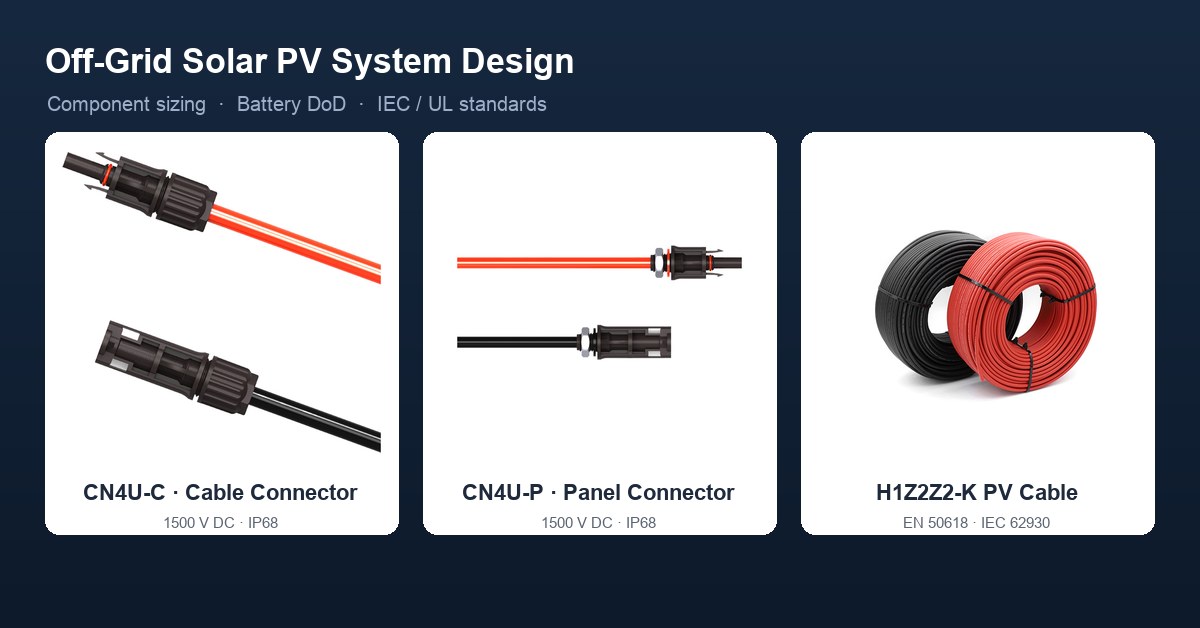
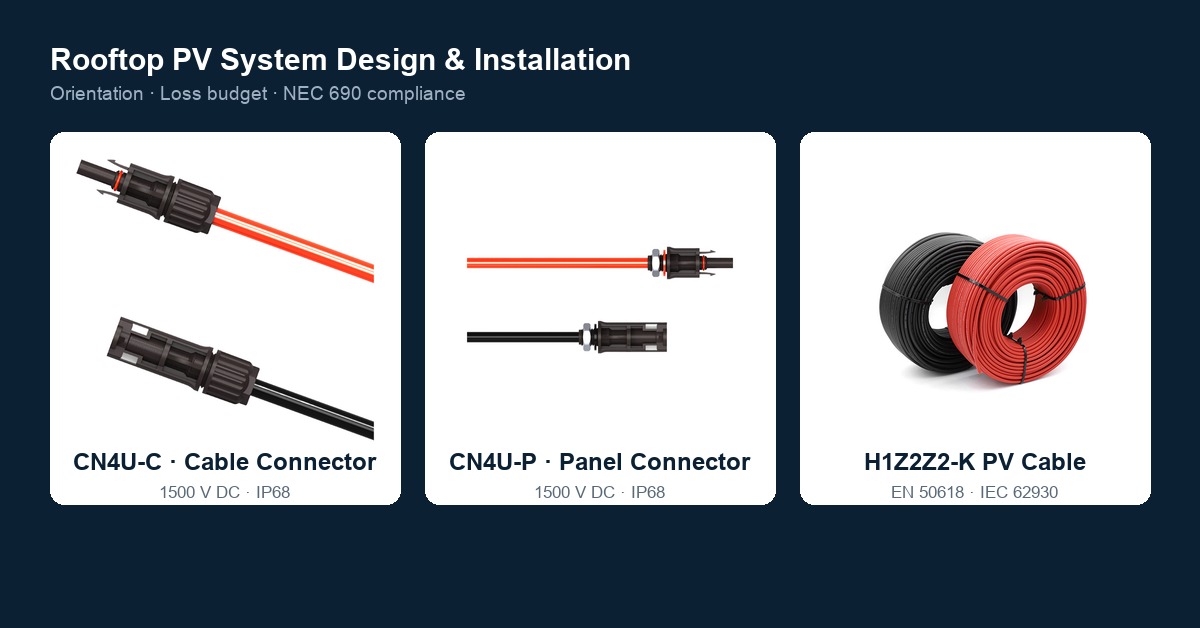
Cable to IEC 62930 / EN 50618 (the H1Z2Z2-K designation) is rated 1500 V DC with a 6.5 kV test voltage, so it covers both classes. Underspecifying voltage is a compliance failure, not a cost saving.
2. Conductor: Tinned Copper, Flexible Class 5
Extension cables flex during installation and thermal-cycle for decades, so the conductor must be stranded, tinned copper to IEC 60228 Class 5. The tin plating stops copper oxidation at the contact interface and holds up far better than bare copper in a humid, temperature-cycling outdoor environment. Aluminium never appears at these small cross-sections in PV.
3. Insulation: Cross-Linked Halogen-Free Polyolefin (XLPO), Never PVC or PE
This is where most specification errors happen. Photovoltaic cable insulation must be electron-beam cross-linked halogen-free polyolefin (XLPO), as EN 50618 / IEC 62930 require. A quote that proposes PVC or PE should be rejected outright:
- PVC and PE are thermoplastic — they soften under heat, crack under UV, and release halogen acids when burned.
- XLPO is cross-linked, so it holds its shape at the 90 °C conductor temperature (up to 120 °C in the 1500 V class), resists ozone and UV, stays flexible at −40 °C, and is halogen-free with low smoke.
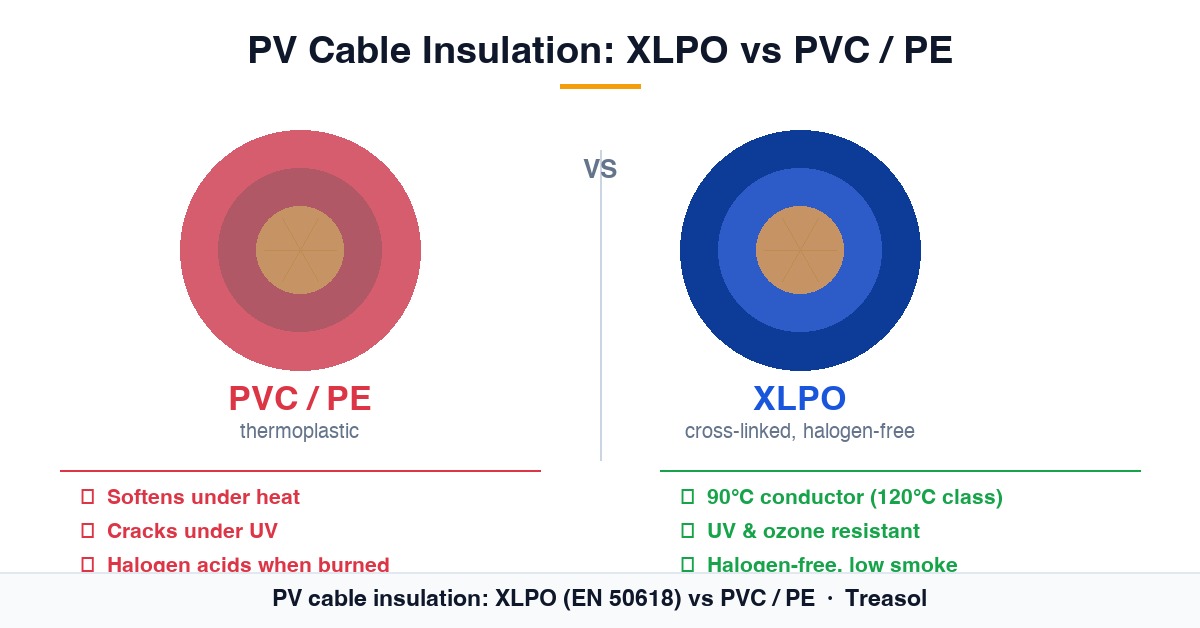
If "PVC" or "PE" appears as the jacket material on a quote, it will not carry the required certification and it will fail in field service.
4. Cross-Section and Ampacity
Two constraints size the conductor: the string current, and the allowable voltage drop.
Current. Take the module short-circuit current and apply a 1.25 safety factor: I_design = Isc × 1.25.
Voltage drop. Keep DC-side loss to 1–2% of system voltage (per IEC 60364 guidance; tighter is better on the DC side). Above that, step up the cross-section rather than accept lost yield.
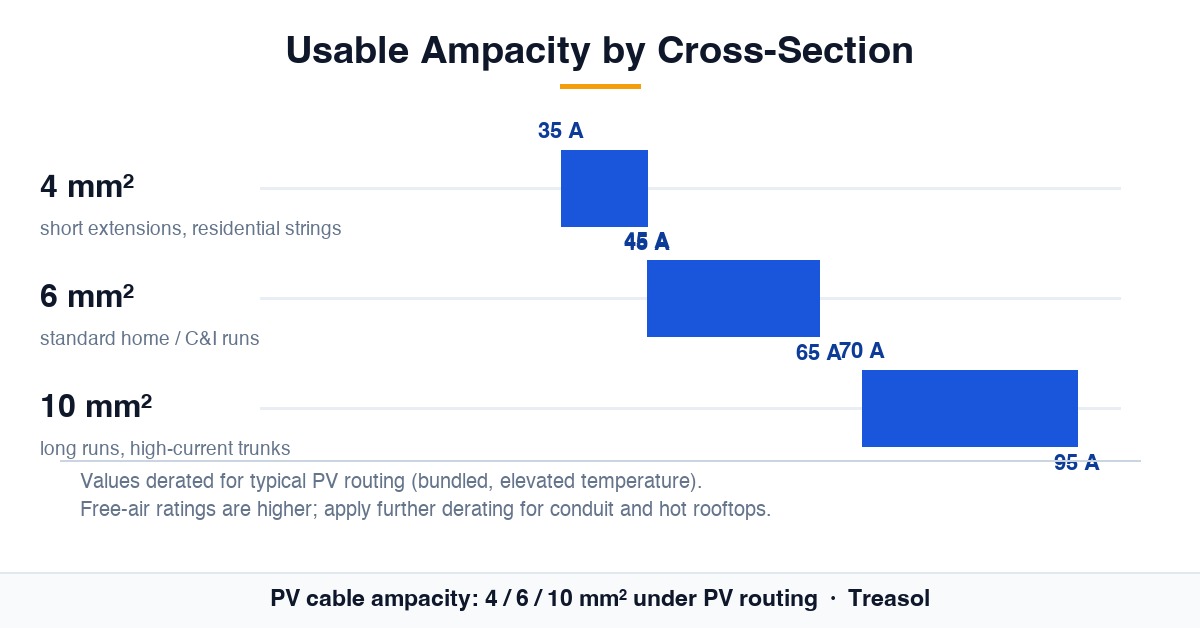
Usable ampacity under typical PV routing — bundled, elevated temperature; free-air figures run higher — for H1Z2Z2-K cable:
| Cross-section | Usable ampacity* | Typical use |
|---|---|---|
| 4 mm² | ~35–45 A | Short extensions, residential strings |
| 6 mm² | ~45–65 A | Standard home / C&I runs |
| 10 mm² | ~70–95 A | Long runs, high-current trunks |
*Derated for typical PV routing. Apply further derating for conduit, bundled trays, and high ambient (rooftop/desert) temperature. A step-by-step sizing walkthrough is in the separate PV DC cable sizing guide.
Treasol supplies certified H1Z2Z2-K PV cable in 4 mm², 6 mm², and 10 mm², rated 1500 V DC with XLPO insulation.
5. Connectors and Termination
The cable is only as reliable as the joint at each end. Specify:
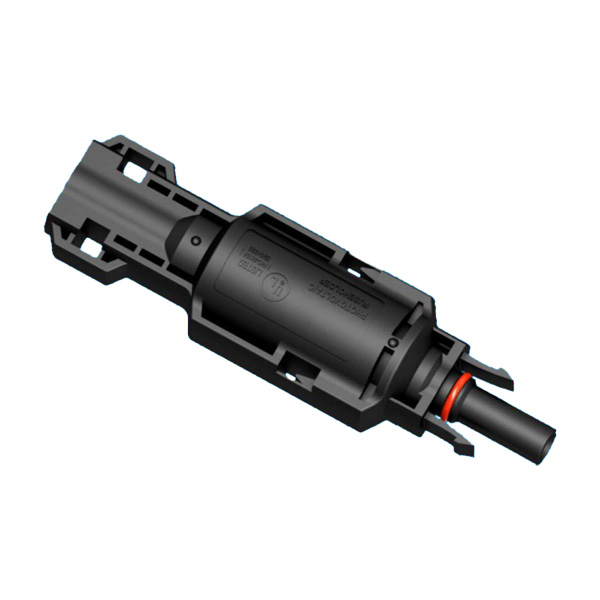
- MC4-compatible connectors rated to 1500 V DC, IP68.
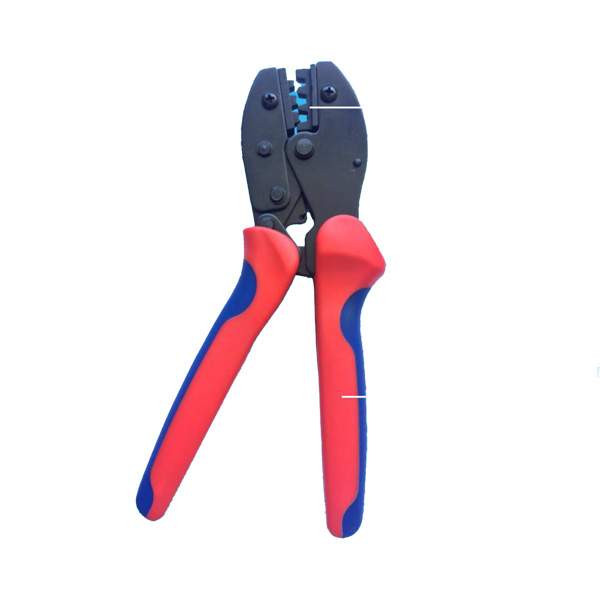
- The correct contact for the cable: 4 mm² and 6 mm² take standard MC4 contacts; 10 mm² needs the larger contact and dedicated crimp tooling.
- Proper crimp and torque. Mixed or uncertified brands at a joint are a routine field-failure point.
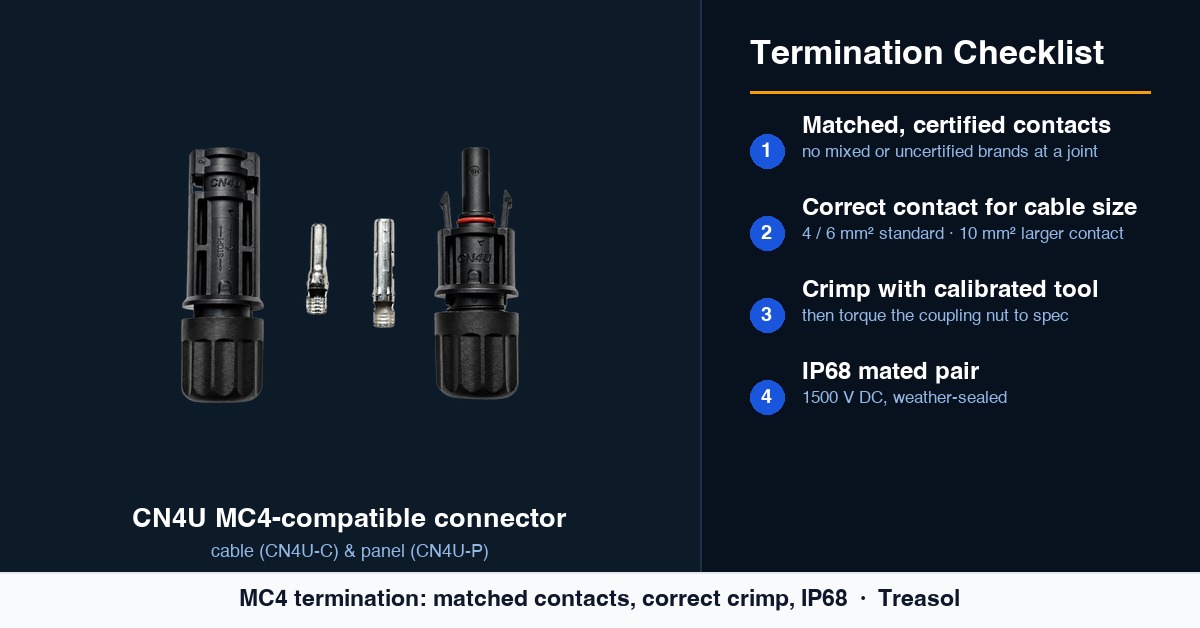
Treasol's CN4U-C cable connector and CN4U-P panel connector are MC4-compatible, 1500 V, IP68, and pair with standard PV cable sizes. Selection detail is in the MC4-compatible connector guide.
6. Standards and Certification
Specify against the recognized standards, not a vague "UL/IEC" tick-box:
- IEC 62930 / EN 50618 — the H1Z2Z2-K PV cable standard (1500 V DC, XLPO, 90/120 °C).
- IEC 63265:2021 — the newer consolidated safety requirement for PV cables.
- TÜV PV1-F / 2 PfG 1169 — TÜV cable specifications.
- UL 4703 — PV wire for the North American market (1000 V / 1500 V).
- IEC 62852 — PV connectors (referenced in section 5).
- NEC Article 690 (NFPA 70) — U.S. installation rules; PV wire per 690.31(B), 1500 V systems per 690.35.
Certified cable also has to pass the material test suite referenced by EN 50618: ozone and UV resistance (HD 605/A1), cold bend at −40 °C, flame retardancy (IEC 60332-1-2), halogen-free (IEC 60754-1/2), and low smoke (IEC 61034). Treasol PV cables carry TÜV, UL, CE, and RoHS certification; manufacturing and QA are documented in the PV connector manufacturing overview.
7. Common Specification Mistakes
- Specifying PVC or PE insulation — reject it; PV cable must be XLPO per EN 50618.
- Underrating voltage to "600 V" — new systems need 1000 V minimum, 1500 V at utility scale.
- Ignoring derating for bundling, conduit, and ambient temperature.
- Mixing uncertified connectors at a joint instead of matched, certified MC4 contacts.
- Chasing price on non-certified cable — the failure cost is far above the saving.
8. Frequently Asked Questions
What voltage rating should a PV extension cable have?
New PV systems run at 1000 V or 1500 V DC. Specify 1500 V DC cable (IEC 62930 / EN 50618, H1Z2Z2-K) for utility scale and 1000 V DC minimum for new installations; 600 V ratings are legacy and not the design baseline.
Can I use PVC or PE insulation for PV extension cables?
No. PV cables must use cross-linked halogen-free polyolefin (XLPO) per EN 50618 / IEC 62930, rated 90 °C (120 °C at the conductor), UV/ozone resistant, halogen-free, and low-smoke. PVC and PE degrade under outdoor UV and heat and are not certified for PV service.
What cross-section do I need for a PV extension cable?
Size by string current (Isc × 1.25) and DC voltage drop (keep ≤1–2%). Under typical PV routing, usable ampacity is about 35–45 A (4 mm²), 45–65 A (6 mm²), and 70–95 A (10 mm²); apply derating for bundling, conduit, and high ambient temperature.
Which standards apply to PV extension cables?
IEC 62930 / EN 50618 (H1Z2Z2-K), the newer IEC 63265, TÜV PV1-F / 2 PfG 1169, and UL 4703 for North America; connectors to IEC 62852. Required tests include ozone/UV (HD 605/A1), cold bend, flame (IEC 60332-1-2), halogen-free (IEC 60754), and low smoke (IEC 61034).
Are Treasol PV extension cables 1500 V and MC4 compatible?
Yes. Treasol H1Z2Z2-K PV cable is rated 1500 V DC with XLPO insulation and TÜV/UL/CE/RoHS certification, and pairs with Treasol's MC4-compatible CN4U-C / CN4U-P connectors (1500 V, IP68).
How long can a PV extension cable run be?
Length is governed by voltage drop, not a fixed limit. Keep DC drop ≤1–2% of system voltage; for longer runs, step up the cross-section (4 mm² → 6 mm² → 10 mm²) rather than accept power loss.
9. Conclusion
A custom PV extension cable comes down to four non-negotiables: 1500 V DC rating, XLPO (not PVC/PE) insulation, a correctly sized tinned-copper conductor, and MC4-compatible 1500 V / IP68 termination — all certified to IEC 62930 / EN 50618, with IEC 63265 and UL 4703 where applicable. Specifying to those standards is what delivers 25 years of loss-free service.
For certified H1Z2Z2-K PV cable and MC4-compatible 1500 V connectors, see the Treasol PV cable range or contact Treasol for project-specific specification support.
Published by Dongguan Treasun New Energy Technology Co., Ltd, manufacturer of MC4-compatible solar PV connectors, junction boxes and photovoltaic DC cables certified to TÜV, UL, CE and RoHS.
References
- IEC 62930:2017 — Electric cables for photovoltaic systems.
- EN 50618:2014 — H1Z2Z2-K photovoltaic cable (XLPO, 1500 V DC).
- IEC 63265:2021 — Photovoltaic systems — Cables — Safety requirements.
- IEC 62852:2019 — Connectors for photovoltaic systems.
- UL 4703 — Photovoltaic (PV) Wire.
- IEC 60228 — Conductors of insulated cables (Class 5 flexible).
- IEC 60364-7-712 — Electrical installations for PV systems.
- NFPA 70, NEC Article 690 — National Electrical Code, Solar PV installations (690.31 wiring, 690.35 1500 V).
- HD 605/A1 (ozone/UV), IEC 60332-1-2 (flame), IEC 60754 (halogen-free), IEC 61034 (smoke) — referenced by EN 50618.